
Traditional Braces Columbus
A Reliable, Durable, & Colorful Treatment Option
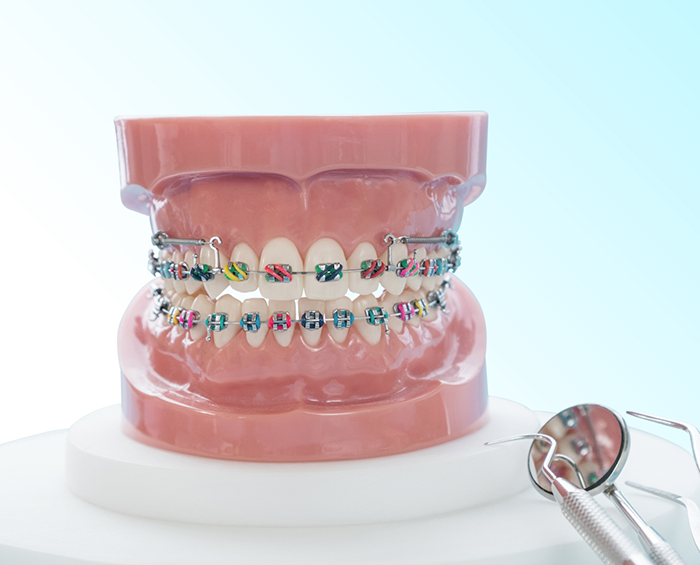
Metal braces are still the most common type of orthodontic system used today. Their durable and affordable nature makes them a popular choice for children and adults alike. At Polaris Orthodontic Center, patients can look forward to a safe and satisfying treatment experience with a team that always puts the patients first. We’re located here in Columbus, OH – contact us today to schedule your first consultation for traditional braces with Dr. Amin Mason or if you have any questions or concerns.
Why Choose Polaris Orthodontic Center for Traditional Braces?
- Award-Winning Board-Certified Orthodontist
- Highest Rated Orthodontist in Polaris on Google
- Treatments Planned & Performed Using the Latest Tech
How Do Traditional Braces Work?
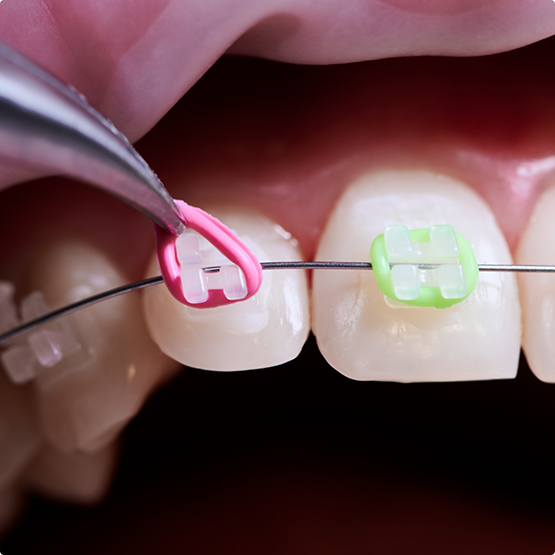
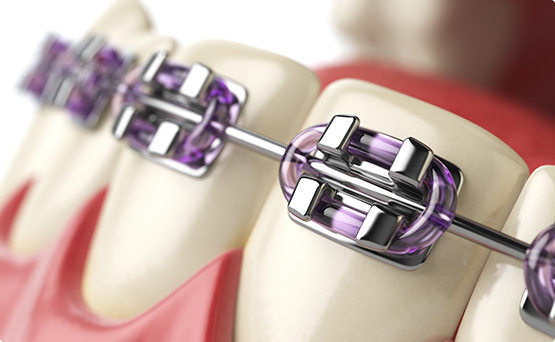
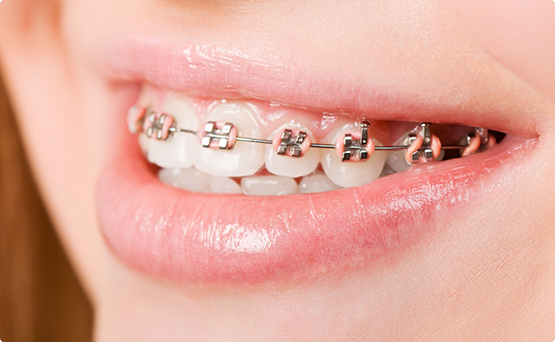
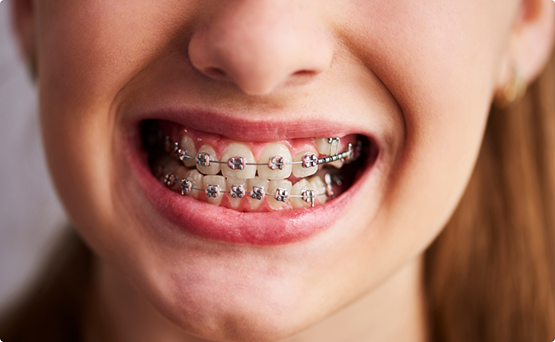
Dr. Mason will bond brackets to the front of the patient’s teeth. Each bracket has edges that are known as “wings.” Elastic bands are tied around these wings to hold an orthodontic wire securely in place, which initiates tooth movement while using the brackets as anchor sites. Throughout treatment, the wires will be changed as needed to move the teeth into the optimal position.
Who Can Traditional Braces Help?
Do traditional braces fix gaps between the teeth? Do they fix crowded teeth? If you have ever wondered about those questions, you can be confident that, in most cases, the answer is yes! Braces are one of the most versatile and effective orthodontic treatment options; they are suitable for almost anyone with misaligned teeth, ranging from mild cases to severe. Here are some specific examples of issues that our Columbus team often uses braces to address:
Crowded Teeth
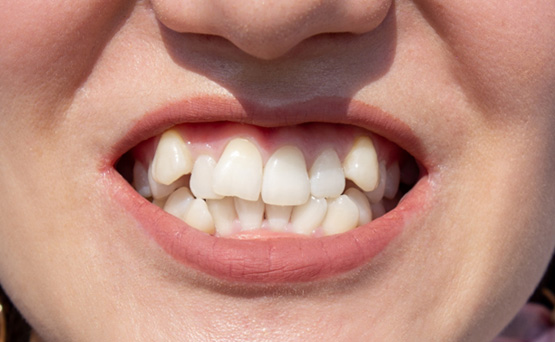
When your teeth are crowded, cleaning between them can be difficult, which increases your risk of cavities and gum disease. Crowded teeth can also cause discomfort and make chewing more challenging. Traditional metal braces can gradually move your teeth into better alignment, giving each tooth enough space to function as it should.
Gaps Between Teeth
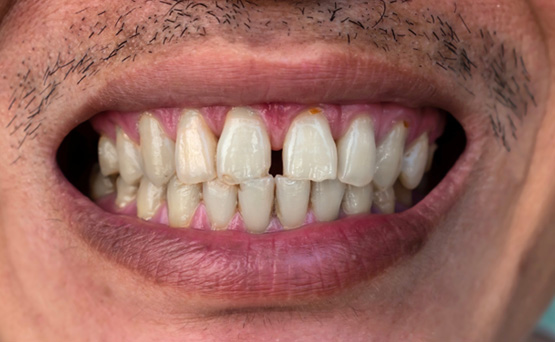
Gaps between your teeth not only look unsightly, but they can also leave your gums vulnerable to irritation and harm. Traditional braces can gently shift your teeth closer together, thereby closing unwanted gaps and improving both the function and appearance of your smile.
Overbite
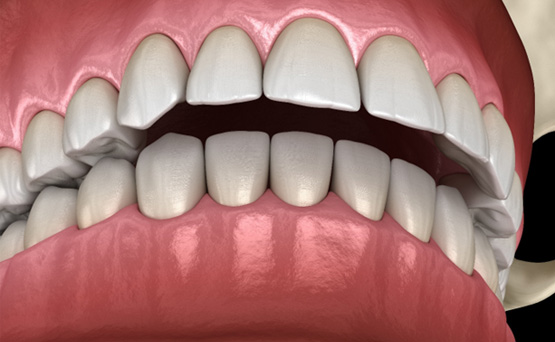
In an overbite, the upper teeth rest too far in front of the bottom teeth. This can result in tooth wear, jaw pain, and speech difficulties. It may also affect your facial profile and bite. Metal braces, often along with important accessories, work by repositioning your teeth and jaws over time, helping you achieve a balanced bite and reducing the risks associated with an overbite.
Underbite
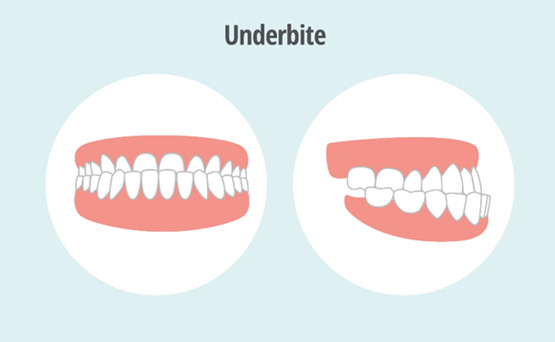
If you have an underbite, your lower teeth protrude in front of your upper teeth, which can interfere with chewing and speaking and may cause jaw stress. This misalignment can also influence your appearance. Metal braces are effective in guiding the teeth and jaws into proper alignment, helping you attain a healthier bite and a more harmonious facial structure.
Crossbite
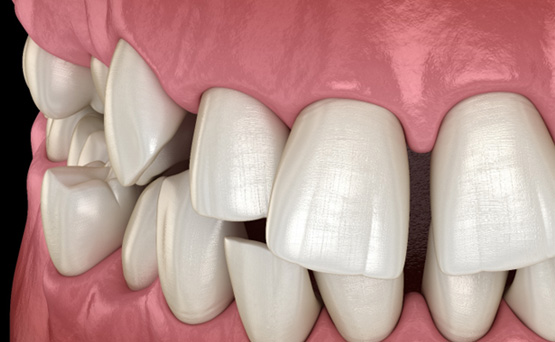
A crossbite occurs when some upper teeth sit inside your lower teeth, leading to uneven wear, gum recession, and possible jaw discomfort. This condition may also make chewing less efficient. Traditional braces can gradually adjust the position of your teeth, which corrects this misalignment and helps you reduce the risk of long-term dental problems.
Open Bite
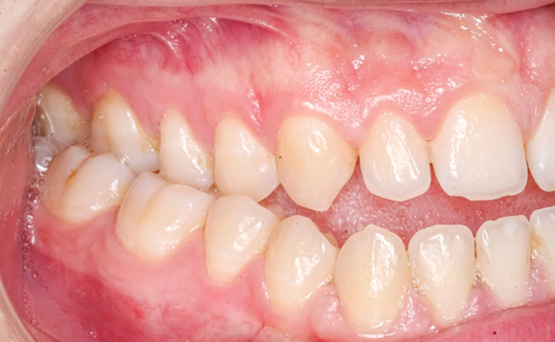
With an open bite, your upper and lower front teeth do not touch when you close your mouth, which can cause difficulty in biting and speaking. This issue may also lead to excessive wear on certain teeth and negatively affect your facial aesthetics. Metal braces can often move the teeth into the correct positions, thereby closing the gap and improving your bite and overall oral health.
Benefits of Traditional Braces
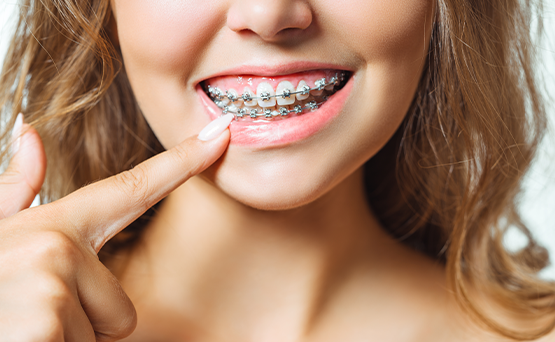
Many people think that straightening the teeth will only provide a cosmetic benefit, and while this is partially true, the reality is that braces can dramatically improve both the look and health of someone’s smile.
Crooked teeth, in addition to not looking attractive, are also more difficult to clean than properly aligned teeth because there are small, tight spaces where plaque can accumulate and be missed while brushing. Orthodontic treatment with traditional braces can help improve someone’s daily oral hygiene because it will be easier to brush, floss, and rinse with properly spaced teeth. This can drastically lower someone’s risk for cavities over time.
Correcting bite problems can also save patients from excessive tooth wear, which can prevent the need for costly restorations.
Understanding the Cost of Traditional Braces
The cost of traditional braces can vary from patient to patient. The price depends on a number of factors, so we cannot provide any estimates until you visit us for a consultation. Our team will outline every aspect of the treatment, including its financial side. We can also help you explore payment options, such as insurance and low-interest financing.
Factors That Affect the Cost of Traditional Braces
Some factors that can affect the cost of braces include:
- The severity of your dental misalignment. This is the most important factor in determining the price of your treatment. Relatively simple alignment problems require shorter treatment, leading to a lower cost, while fully addressing severe or complicated problems may require a much longer and more involved process.
- Your age. In some cases, treatment for adults takes longer than treatment for younger individuals. This can lead to slightly higher costs.
- Your compliance with treatment. If you neglect your oral hygiene, do not use accessories as directed, or make other missteps during your treatment, that could increase the total cost of your care.
Professional Braces vs. “DIY” Braces: Which Costs More?
You might have seen some posts on social media that feature “DIY” braces that are made with common household items, such as rubber bands, earring backs, and paper clips. While you might be tempted to save money by trying such methods, extreme caution is in order. Many people who have tried to straighten their teeth regretted their decision to do so.
Even a small mistake could make your dental misalignment worse or harm your smile in other ways. You could end up paying much more to fix such issues than you would have if you had invested in professional treatment right from the beginning.
Does Dental Insurance Cover Braces?

Many dental insurance policies partially cover orthodontia for minors. Coverage is less common for adults, but some premium plans do pay for up to 50% of the cost of coverage, up to the amount of the policy’s lifetime orthodontic maximum. With the help of insurance, many patients are able to reduce their out-of-pocket costs by several hundred dollars or more. Our team welcomes insurance, and we can help you figure out how your benefits apply.
Options for Making Braces Affordable
Beyond insurance, there is another option that might make it easier for you to afford your braces: financing. Most patients are eligible for a low-interest or zero-interest payment plan through a third-party company, such as CareCredit. The application process is easy, and you may have the option of choosing between several different monthly payment amounts.
Would you like to learn more about the cost of traditional braces? The team at Polaris Orthodontic Center is ready to answer your questions! Get in touch with us today to request a consultation.
Things To Know About Traditional Braces
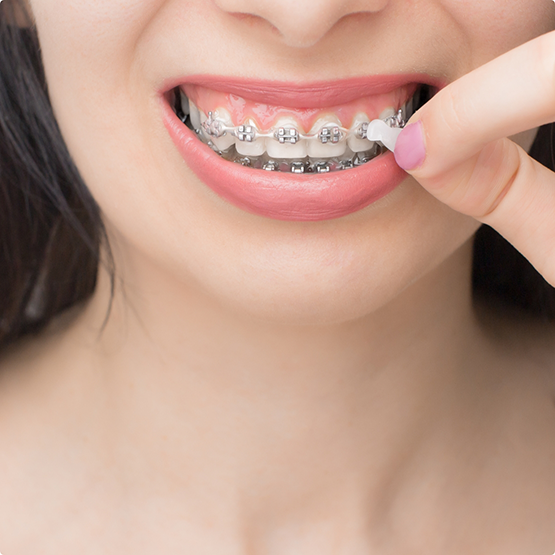
- Colored elastics are available that can give your braces a splash of personality! Your son or daughter will be able to pick their favorite color or combination of colors, and more neutral, professional shades like gray and white are also available for adults.
- They are effective in correcting the majority of malocclusions.
Traditional Braces FAQs
Am I Too Old to Get Braces?
Traditional braces are commonly associated with younger people. However, there is no upper age limit for braces. We have performed successful treatment on many mature individuals.
Of course, the treatment experience may be somewhat different for adults than it is for teens and children. For example, adult treatment may take longer due to slower tooth movements. Additionally, while insurance often covers braces for minors, orthodontic coverage for adults is less common. (If you are concerned about paying for your treatment, talk to our team. Most patients are eligible for a low-interest or no-interest payment plan.)
What Happens After You Get Your Braces Off?
Once your braces are removed, you will need to make some efforts to keep your teeth in their new positions. Some patients receive a fixed retainer, a device that is attached to the teeth and keeps them in place. It is also possible that you will receive a removable retainer.
With a removable retainer, you should try to wear it at least 20 – 22 hours each day at first. Eventually, after your teeth solidify into their proper positions, you might be able to wear it just a few nights each week.
How Long Do Traditional Braces Take?
The timeline for traditional braces varies from case to case. During your consultation, we may be able to estimate how long your treatment will take. Depending on your age and the severity of your misalignment, you might have to wear braces for anywhere from a few months to three years or longer.
You can avoid unnecessary delays by strictly complying with treatment guidelines and attending all of your scheduled appointments.
Do Traditional Braces Hurt?
Braces are effective because they apply consistent pressure to the teeth. Naturally, this can cause some soreness, particularly when you first get braces and whenever they get adjusted. The pain may last anywhere from a few days to a week or so.
You can minimize your discomfort by:
- Taking over-the-counter pain relievers
- Eating soft and cold foods
- Sipping ice water
The metal parts of your braces might also cause some irritation. Covering your brackets with orthodontic wax may help.
If your braces ever cause extreme or unusual pain, you should reach out to us for guidance.
What Can You Not Eat with Traditional Braces?
When you first get your braces, as well as whenever you get them adjusted, you can expect your mouth to be sore for a few days. During that time, you can minimize your discomfort by avoiding hard and chewy foods. You may need to stick to soft choices, like yogurt, soup, mashed potatoes, and scrambled eggs.
Once the soreness wears off, you can eat a wide variety of snacks and meals. However, it would still be best to avoid things that might get stuck in your braces or damage them, including popcorn, nuts, chips, crackers, and sticky candies.
Also, keep in mind that certain foods should be cut into pieces before you eat them. Apples, raw vegetables, corn on the cob, and bone-in meats fall into this category.
Why Do My Teeth Feel Loose with Braces?
Teeth are not directly embedded in the jawbone. Rather, they are held in place by stretchy tissues known as ligaments. Braces put pressure on the teeth, and as those ligaments stretch, your teeth may feel a little looser than usual. In other words, slightly loose teeth can mean that your braces are doing their job!
After you complete treatment, your teeth should solidify into their new positions and once again feel firm in your mouth.
If you ever feel like your teeth are too loose, that is a reason to seek professional care.
Can Traditional Braces Fix TMJ Disorder?
When your jaw joints (TMJs) become stressed or injured, it can cause a range of symptoms, such as jaw pain, headaches, and more. TMJ disorder (TMD) is sometimes caused by a misaligned bite. Braces can help reposition your bite, which can reduce stress on your jaw joints. As a result, your TMD symptoms may be diminished or even disappear altogether.
Of course, TMD is a complex condition, and there is no one-size-fits-all solution for it. If more conservative options have already proven ineffective for you, it might be worth your time to consult with Dr. Mason and our team about getting braces.
Can You Whiten Your Teeth While Wearing Braces?
We do not recommend that you try to whiten your teeth while wearing braces. That is simply because the whitening formula will not be able to work on the enamel beneath your brackets. You could end up with a mismatched smile! We usually advise patients to wait to get their teeth whitened until 6 months or so after they complete treatment.
In the meantime, you can minimize dental stains by sticking to a good oral hygiene routine and reducing your intake of highly pigmented foods. It is also wise to avoid the use of any tobacco products.
Traditional Braces Case
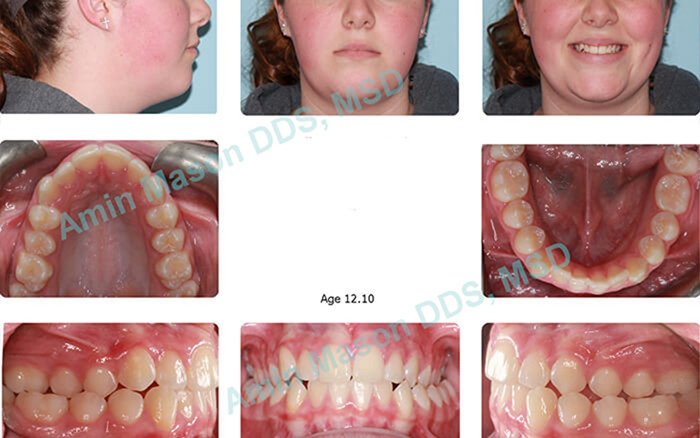
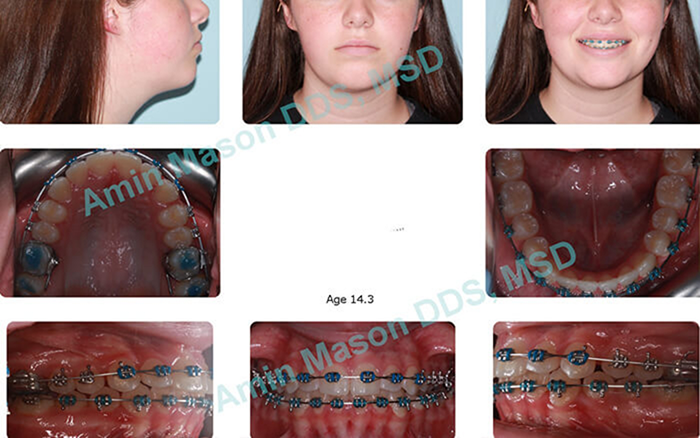
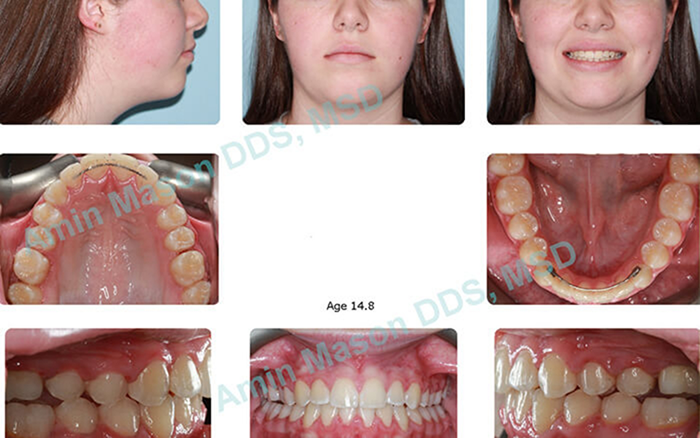
Teenage patient with upper/lower crowding, bilateral posterior crossbite, and anterior crossbite. Patient was treated with an expander and traditional braces.
 Patient Reviews