
Early/Phase I Orthodontics Columbus
The Right Time for an Orthodontic Check-Up: No Later than Age 7
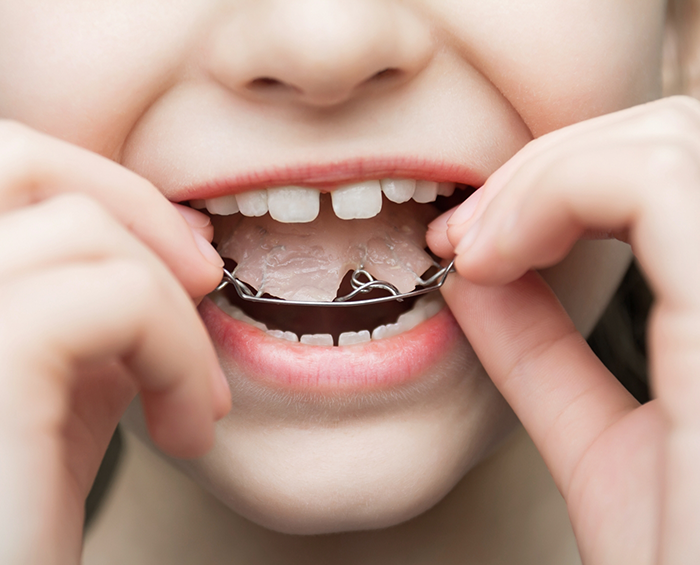
The American Association of Orthodontists recommends that all children get a check-up with an orthodontic specialist no later than age 7. At this point, the orthodontist will evaluate your child and may recommend early interceptive orthodontic treatment (also known as Phase I) for the child. This phase will be undertaken with the clear understanding that a Phase II will follow when the child has matured after the loss of all primary teeth. However, in some cases, Dr. Mason may find that patients who completed Phase I treatment no longer require Phase II treatment. If your child is older than 7, it’s certainly not too late for a check-up and see if they could benefit from early/Phase I orthodontics in Columbus.
Why Choose Polaris Orthodontic Center for Early/Phase I Orthodontics?
- Highly Experienced Board-Certified Orthodontist
- Polaris Parents’ Highest Rated Orthodontist
- Treatments Planned & Performed Using Latest Tech
What Can an Orthodontic Screening Examination Reveal About a Young Child?
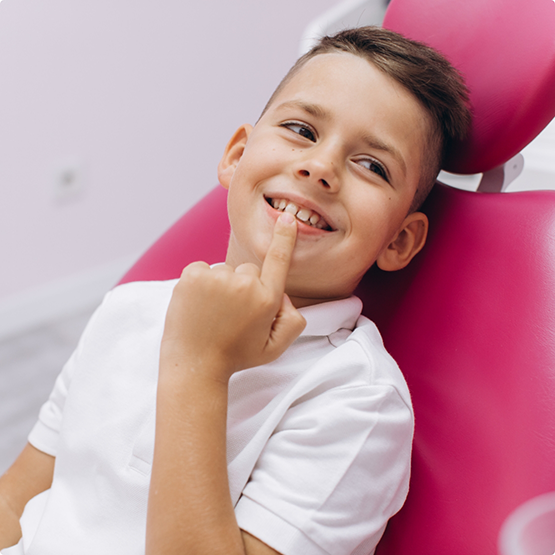
- Orthodontists can spot subtle problems with jaw growth and emerging teeth while some baby teeth are still present.
- While your child’s teeth may appear to be straight, there could be a problem that only an orthodontist can detect by examining your child’s radiograph.
- A check-up may reveal that your child’s bite is fine. Or the orthodontist may identify a developing problem but recommend monitoring the child’s growth and development, and then, if indicated, begin treatment at the appropriate time for the child. In other cases, the orthodontist might find a problem that can benefit from early treatment.
- Early treatment may prevent or intercept more serious problems from developing and may make treatment at a later age shorter and less complicated. In some cases, the orthodontist will be able to achieve results that may not be possible once the face and jaws have finished growing.
Early Treatment May Give Your Orthodontist the Chance To:
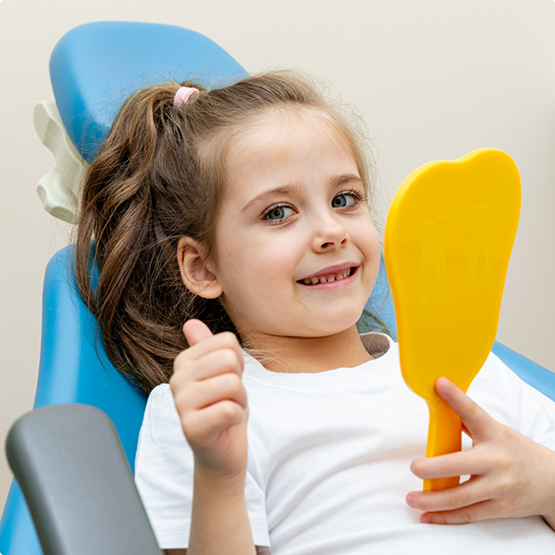
- Guide jaw growth.
- Lower the risk of trauma to protruding front teeth.
- Correct harmful oral habits.
- Improve appearance.
- Guide permanent teeth into a more favorable position.
- Create a more pleasing arrangement of teeth, lips, and face.
- May reduce the need for future extractions of adult teeth.
How To Tell If Your Child May Need Early Orthodontic Treatment:
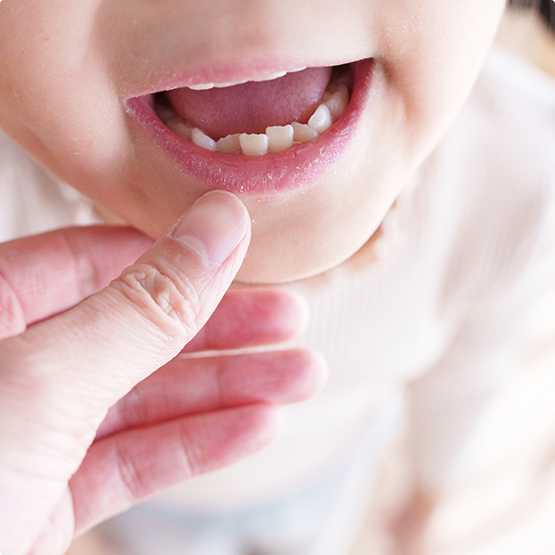
- Early or late loss of baby teeth (your child should typically start losing teeth around age five and will have all permanent teeth around age 13).
- Difficulty chewing and/or biting.
- Your child continues sucking their thumb after age five.
- Protruding teeth (the top teeth and the bottom teeth extend away from each other.)
- Teeth that don't come together in a normal manner or even at all.
- Shifting of the jaw when your child opens or closes their mouth. (crossbites)
- Crowded front teeth around age seven or eight.
Phase 1 Orthodontics FAQs
When Does Phase 1 Orthodontics Take Place?
Usually, phase 1 treatment occurs when a patient is between 6 and 9 years old. During this age range, kids usually have a mixture of permanent and baby teeth, making it the perfect time to guide their oral development.
If your child is 6 – 7 years old, they should attend their first orthodontic appointment as soon as your schedule allows. Timing is critical for phase 1 treatment to be as effective as possible and have the greatest long-term benefits.
What Appliances Are Used in Phase 1 Orthodontics?
Phase 1 treatment can involve the use of various appliances. Here are a few examples:
- Palate expander. Also known as a palatal expander, this device helps to create more space in the upper dental arch.
- Space maintainer. If your child lost one of their baby teeth too soon, a space maintainer can be used to preserve the spot where an adult tooth should go. Otherwise, the other baby teeth might drift into the space and cause problems.
- Herbst appliance. This may be used to address jaw imbalances and improve your child’s bite.
- These can be used to address various forms of misalignment.
Is Phase 1 Orthodontics Painful?
Dr. Mason is careful to make the placement of orthodontic appliances as comfortable as possible. However, it must be acknowledged that some devices can cause a degree of discomfort as they place pressure on the oral structures. In most cases, the pain goes away after a few days. In the meantime, mild painkillers may be used to manage any discomfort.
No one wants to see their child in pain. Remember, though, that early orthodontic treatment may spare them from more severe pain later in life.
Does Phase 1 Orthodontics Affect Diet & Nutrition?
If your child has a removable orthodontic device, they can take it out at mealtimes and eat virtually anything. If their appliance is fixed in the mouth, they may need to stay away from certain items. For example, hard foods might damage braces, whereas sticky foods might cling to them and increase the risk of dental decay. A relatively soft diet tends to be the safest choice for braces.
When your child starts treatment, our team can provide more detailed guidance on what and how they should eat.
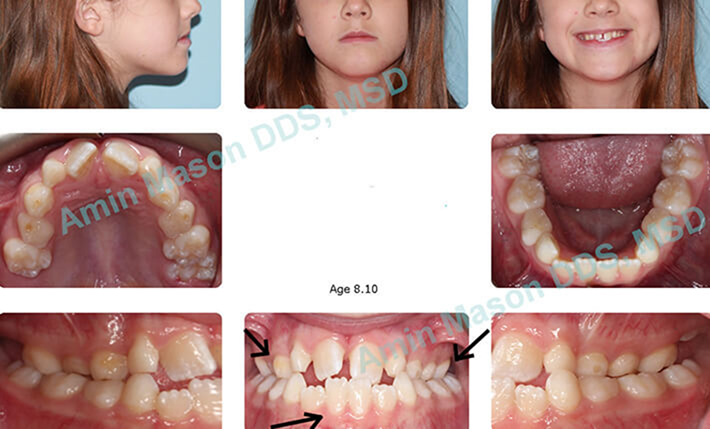
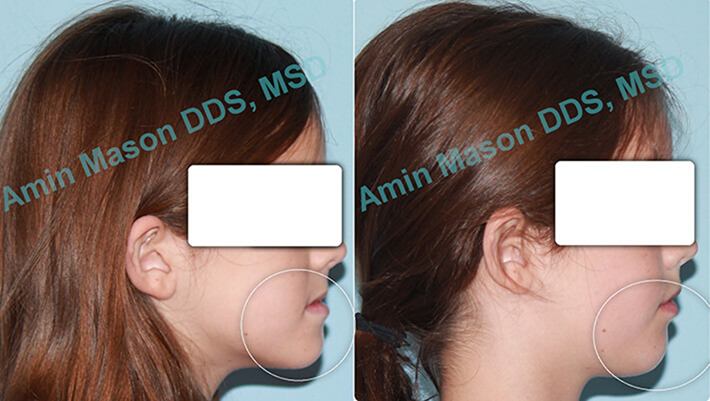
Crossbite Case
Patient presented with bilateral posterior crossbite(narrow maxilla) and underbite. Crossbite and underbite correction performed during phase I. Patient’s profile improved post-treatment.

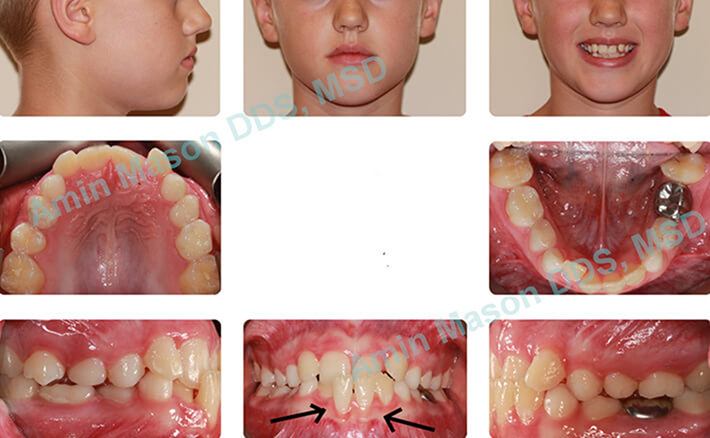
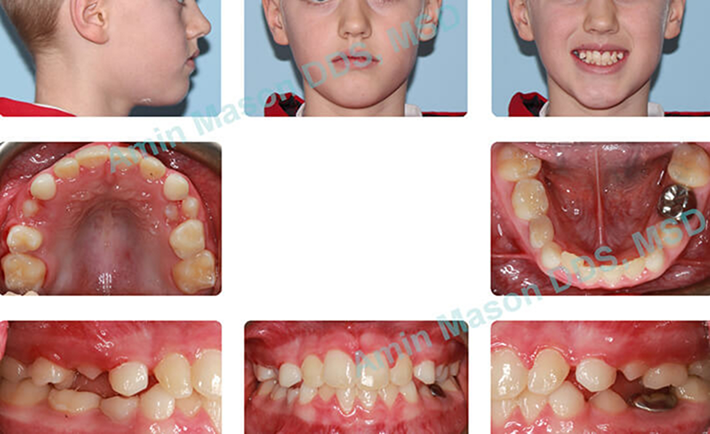
Underbite Case
Patient presented with an underbite and trauma to the lower front teeth and gingival recessions. Underbite correction was performed during phase I. Gingival recession improved.
Open Bite Case
Patient presented with an open bite due to thumb sucking habit. Sucking habit was stopped, and the bite was closed during phase I treatment. After the patient lost all of their primary (baby) teeth, patient was evaluated for the second phase. Parents chose not to pursue 2nd phase of treatment as they were happy with the phase I results.
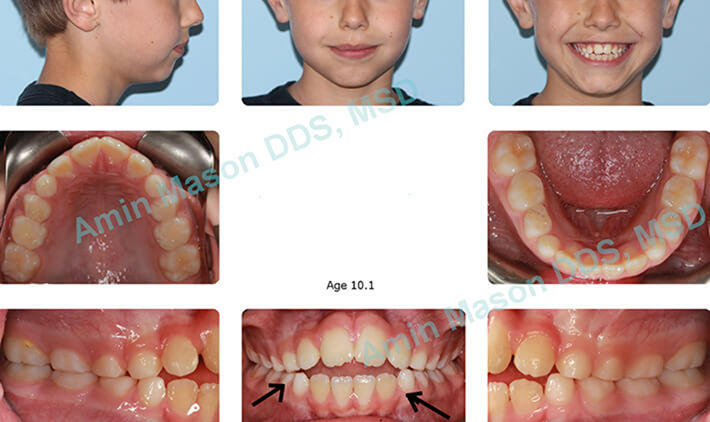
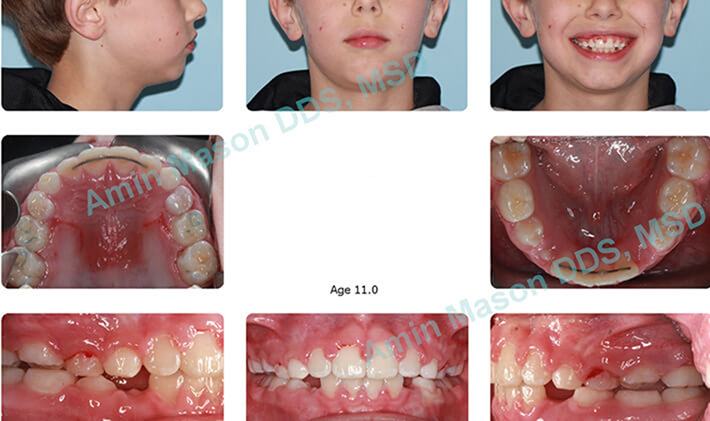
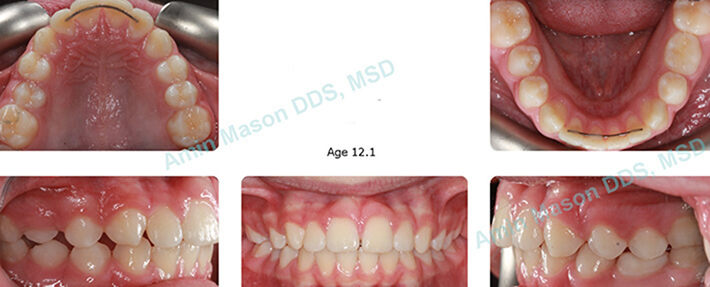
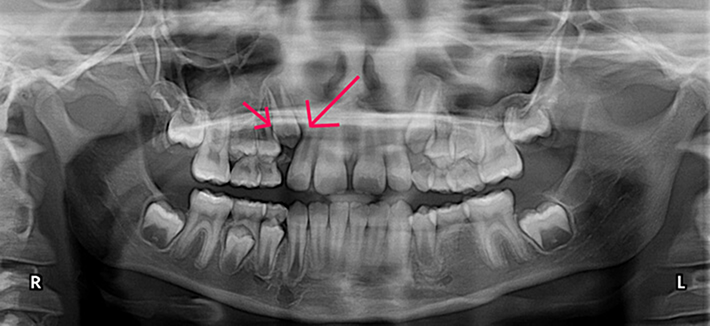
Early Loss Case
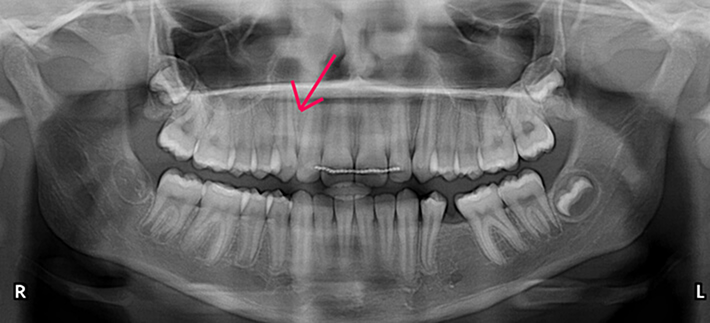
Patient presented with early loss of primary tooth #6 and impaction of adult tooth #6. During phase I treatment, space was created for tooth #6, and the tooth erupted without damaging neighboring teeth.
 Patient Reviews